03 / Financing scenarios

See the potential.
Understand the plan.

Nine ways to structure the next move, from a focused renovation to a larger rental portfolio. Explore the property, the capital, and the exit plan.

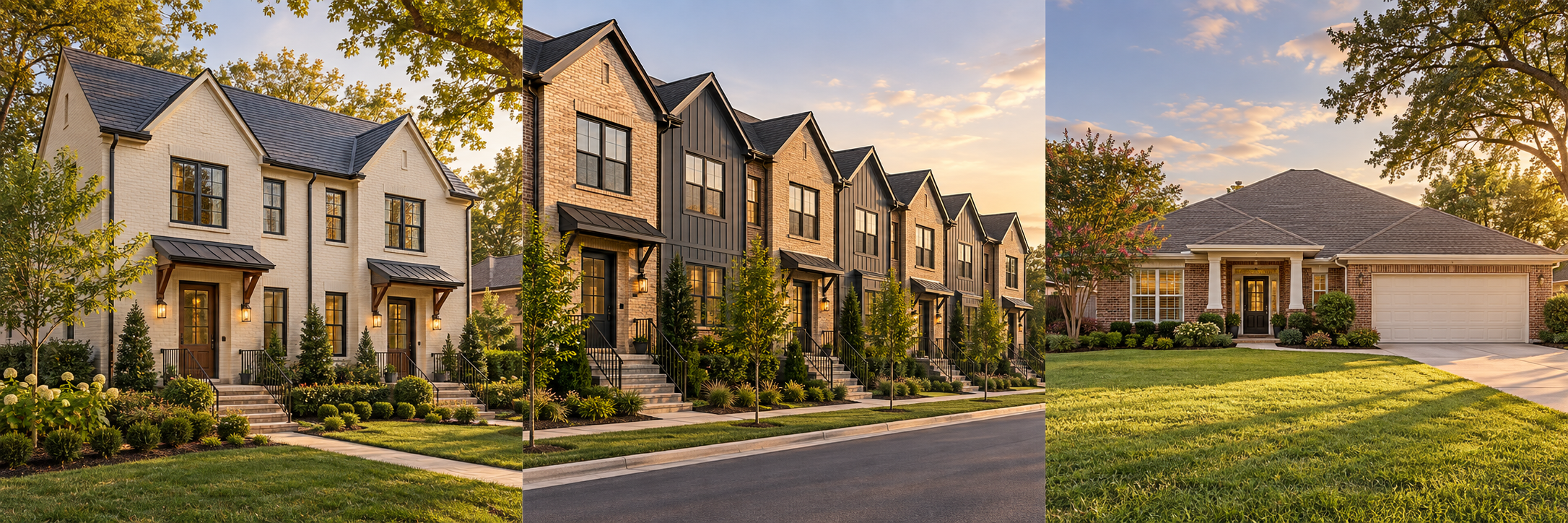
Illustrative renovated clapboard house
New Jersey / Fix & flip

A tired house.
A clear plan.

An investor spots a solid house with dated interiors. The plan: a focused renovation, a realistic budget, and a resale supported by local comparables.

$225,000Capital to model
Inside the scenario
Purchase budget
$195,000
Renovation budget
$55,000
Planned exit
Resale

One potential structure combines acquisition financing with renovation draws. The investor would also need to cover the remaining project budget, closing costs, financing costs, and reserves.

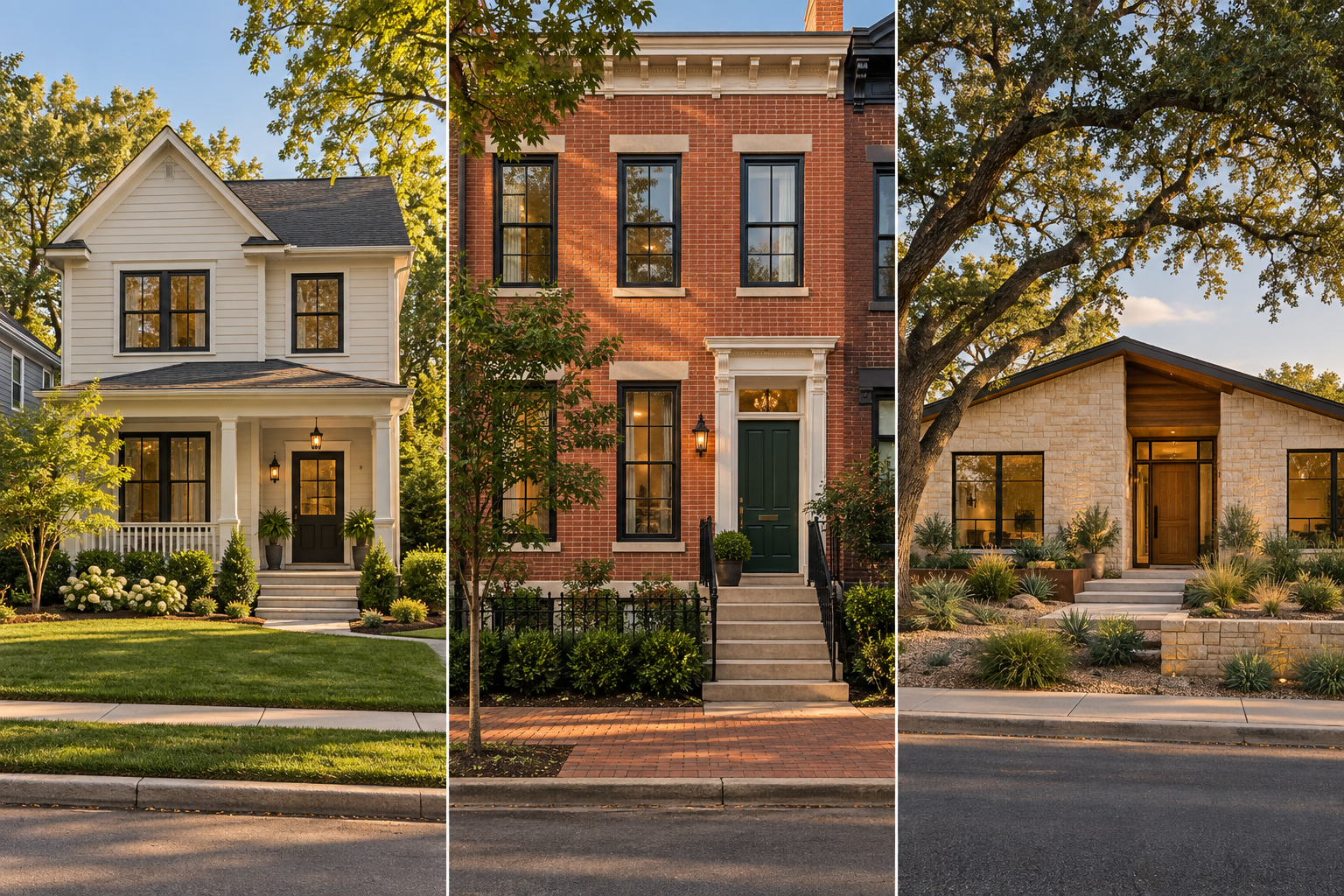
Illustrative red brick Philadelphia rowhouse
Pennsylvania / BRRRR

One renovation.
A longer view.

A rental investor finds a rowhouse with room to improve. The plan begins with the future tenant and a refinance that needs to work on the property’s income.

$190,000Capital to model
Inside the scenario
Purchase budget
$180,000
Renovation budget
$40,000
Target finished value
$300,000
Modeled refinance LTV
75%
Potential refinance loan
$225,000
Bridge principal payoff
$190,000
Estimated cash back at refinanceBefore closing costs and fees.
$35,000
Planned exit
Cash-out refinance and hold

The $190,000 bridge would leave $30,000 of the $220,000 purchase and renovation budget to the investor, plus closing costs, financing costs, carrying costs, and reserves. At a $300,000 appraised value, a 75% LTV cash-out refinance would total $225,000. After paying off $190,000 of bridge principal, $35,000 would remain before refinance costs and any additional payoff charges. That is returned equity, not profit; recovering all cash invested is not guaranteed. Actual proceeds also depend on qualifying rent, debt coverage, seasoning, and lender approval.

Illustrative single-story Texas construction project
Texas / Ground-up construction

From a good lot
to a new beginning.

A builder has a site, a defined scope, and a buyer profile in mind. The financing needs to follow the construction schedule, with room for the unexpected.

$300,000Capital to model
Inside the scenario
Land budget
$90,000
Construction budget
$260,000
Planned exit
Completed-home sale

A potential facility would fund against an agreed schedule of values, with inspections and draw milestones. The builder would cover the remaining budget, required equity, costs, and contingency. Approval would depend on the complete deal.

Residential property representing a rental acquisition
North Carolina / DSCR purchase

A rental acquisition.
Income comes first.

An investor is evaluating a $1 million rental property. The goal: long-term financing supported by the property’s income, with room for operating costs and reserves.

$750,000Capital to model
Inside the scenario
Purchase budget
$1,000,000
Modeled loan to value
75%
Purchase equity
$250,000
Planned exit
Long-term rental hold

A potential DSCR loan would depend on qualifying rent, the proposed payment, taxes, insurance, and any association dues. The investor would contribute purchase equity plus closing costs and required reserves. Rent and value must support the requested loan amount.

Brick residential property representing a rental portfolio
Ohio / Rental portfolio refinance

Six doors.
One financing plan.

An owner wants to refinance six stabilized rentals into one facility. The plan brings existing debt together and evaluates how much equity could support the next acquisition.

$1,000,000Capital to model
Inside the scenario
Portfolio value
$1,500,000
Existing debt
$720,000
Proceeds before costs
$280,000
Planned exit
Hold the portfolio

The modeled loan is approximately 67% of portfolio value. Actual proceeds would be reduced by closing costs, reserves, and any payoff charges. Combined rental income, property eligibility, and individual release terms would determine whether one facility fits the portfolio.

Residential property representing a double-close opportunity
Texas / Transactional funding

Two closings.
One coordinated day.

A wholesaler has a $600,000 purchase contract and a $650,000 resale contract. The financing question is how to complete the first purchase alongside a verified end-buyer closing.

$600,000Capital to model
Inside the scenario
A-to-B purchase
$600,000
B-to-C resale
$650,000
Spread before costs
$50,000
Planned exit
Same-day resale

Transactional capital could cover the purchase price of the first closing, subject to verified end-buyer funds and title approval. The spread is before funding fees and both closings’ costs. The two contracts and disbursement sequence need to work together; a delayed resale would require a different funding plan.

Two-family house representing a BRRRR renovation and rental hold
New Jersey / BRRRR

Buy. Renovate. Rent.
Refinance. Repeat.

An investor targets a two-unit property with dated interiors and room to improve rents. The plan pairs purchase and rehab financing with a rental refinance once the work and leasing are complete.

$425,000Capital to model
Inside the scenario
Purchase budget
$380,000
Renovation budget
$120,000
Target finished value
$650,000
Modeled refinance LTV
75%
Potential refinance loan
$487,500
Bridge principal payoff
$425,000
Estimated cash back at refinanceBefore closing costs and fees.
$62,500
Planned exit
Cash-out refinance and hold

The initial $425,000 facility would leave $75,000 of the purchase and renovation budget to the investor, plus closing costs, financing costs, carrying costs, and reserves. At a $650,000 appraised value, a 75% LTV cash-out refinance would total $487,500. After paying off $425,000 of bridge principal, $62,500 would remain before refinance costs and any additional payoff charges. That would leave $12,500 of the original purchase and renovation equity in the deal, plus costs and reserves. Cash-out proceeds are returned equity, not profit. Actual refinance proceeds depend on appraised value, qualifying rent, debt coverage, seasoning, and lender approval.
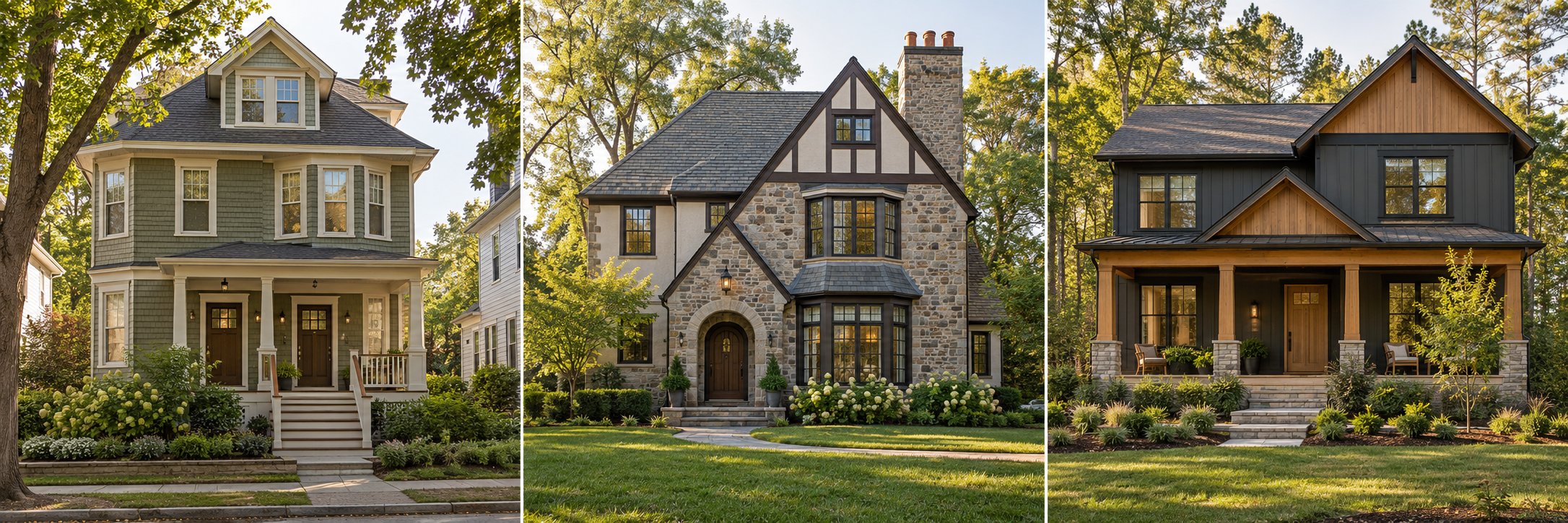
Stone Tudor house representing a larger renovation project
Pennsylvania / Fix & flip

Original character.
A stronger next chapter.

An investor sees potential in a stone home with an outdated layout. The plan preserves its character while modernizing the kitchen, bathrooms, and core systems for resale.

$675,000Capital to model
Inside the scenario
Purchase budget
$550,000
Renovation budget
$200,000
Target finished value
$1,000,000
Planned exit
Renovate and sell

A potential $675,000 facility would cover 90% of the combined purchase and renovation budget, subject to the lender’s cost and value limits. The investor would cover the remaining $75,000 plus closing costs, financing costs, carrying costs, selling costs, and contingency. Comparable sales and a detailed scope would need to support the finished-value target.

Contemporary craftsman home representing a planned new build
North Carolina / Ground-up construction

A defined vision.
Built in stages.

A builder is planning a contemporary craftsman home on an infill lot. The financing follows a clear construction budget, verified milestones, and a sale once the home is complete.

$850,000Capital to model
Inside the scenario
Land budget
$220,000
Construction budget
$780,000
Target completed value
$1,350,000
Planned exit
Completed-home sale

The modeled facility covers 85% of the combined land and construction budget. The builder would contribute the remaining $150,000 plus any costs outside that budget, financing costs, and required reserves. Funding would be staged against approved work and inspections, with contractor review, permits, contingency, and value support required before approval.

These financing scenarios demonstrate possible structures, not completed transactions or loan offers. Figures are for planning; actual terms depend on underwriting and approval. Images represent property types.

Your next chapter starts with a conversation

See the opportunity.
Let’s build on it.

Bring the property and the plan.
We’ll help you understand what comes next.

Bring us your deal ↗